

A Gentle Guide from Dr. Nicole
When your beloved pet is nearing the end of their life, parents like you are often carrying two kinds of heartbreak at once: the pain of saying goodbye yourself, and the responsibility of helping your children understand what is happening.
I understand how deeply complicated this moment can feel. For more than a decade, I’ve helped thousands of families in Southern California with end-of-life care for their pets, and I’m a parent myself. A family pet is often woven into a child’s daily life in ways that are quiet, but profound: the greeting at the door, the bedtime snuggles, the patient companion during big feelings, the steady presence through childhood.
For many children, the loss of a pet may be their first real experience with death and grief. There is no perfect script, and there is no single “right” way to include children in a pet’s euthanasia appointment. Every family, every child, and every pet’s story is different.
My hope is that this guidance will help you make decisions with more confidence, more gentleness, and more room for your child’s unique way of grieving.
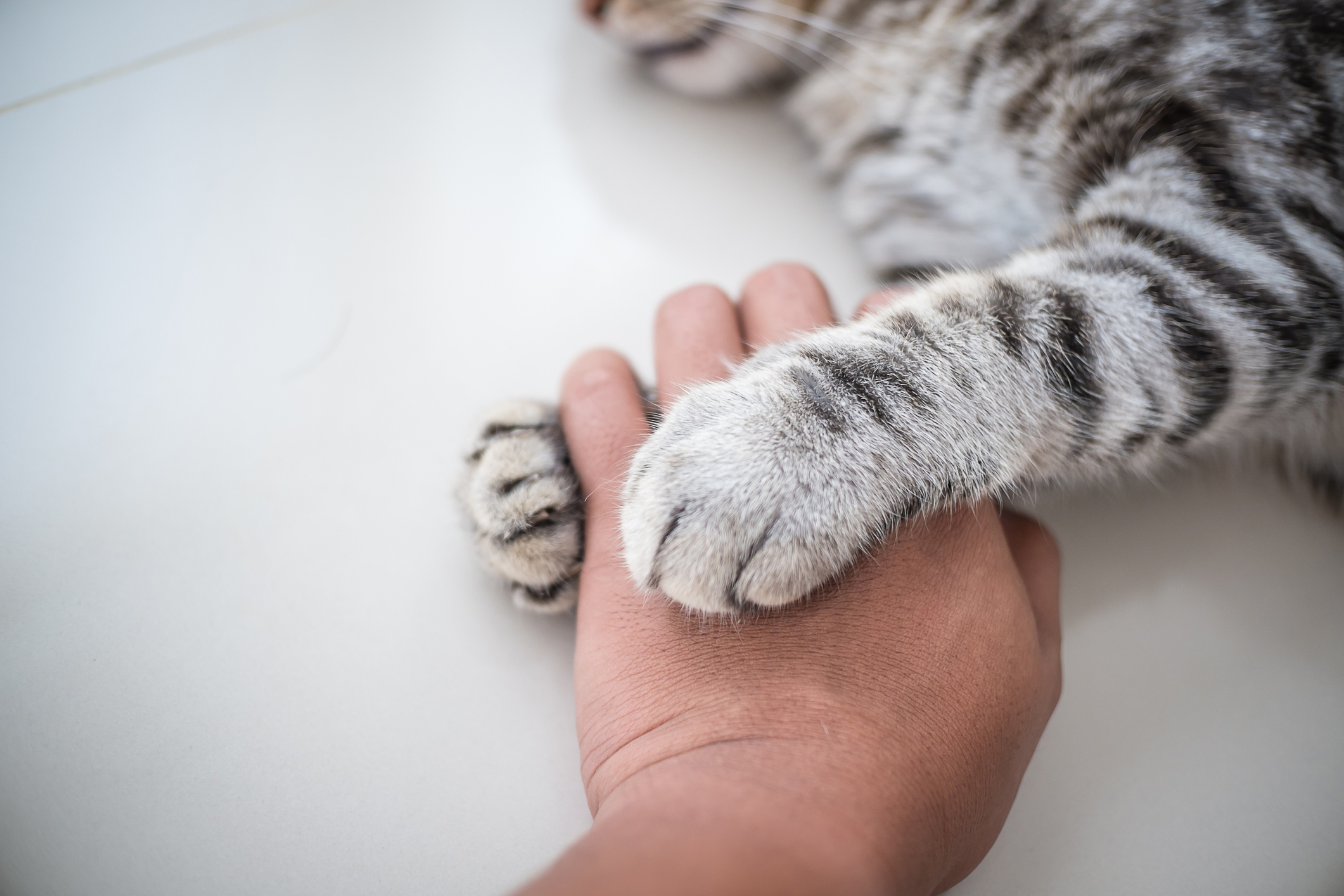
Should Children Be Present During In-Home Pet Euthanasia?
This is a deeply personal decision. Some children benefit from being present. Others may feel overwhelmed, distracted, or frightened. Some families choose to have children nearby but not in the room for every part of the appointment. Others arrange for children to be with a grandparent, neighbor, friend, or caregiver.
You know your child best.
When making this decision, I encourage parents to consider:
-
Your child’s age and emotional maturity
-
Their relationship with your pet
-
Whether they have experienced death before
-
Their ability to sit quietly or participate gently
-
Whether their presence will allow you to be fully present with your pet
-
How much support they may need during the appointment
Each one of our Serene Passages veterinarians has the experience to guide your family. We always explain what will happen in simple language and will answer questions from any family member, including children.
Choosing comfort and peace for your pet is an act of love. Including, or choosing not to include your children, when it is done thoughtfully, can also be an act of love.
Use Clear, Simple Language
One of the most important things you can do is use honest, gentle language.
I recommend avoiding phrases like:
-
“put to sleep”
-
“went away”
-
“we lost him”
-
“she didn’t wake up”
These phrases can be confusing for children, especially younger ones. They may begin to fear bedtime, sleep, travel, or separation. They may also believe their pet is coming back.
Instead, use clear and compassionate words such as:
“Bella’s body is very sick, and the medicine cannot make her better anymore. The veterinarian will help her body stop working so she does not feel pain anymore. She will die peacefully, and we will be with her.”
You don’t have to explain everything at once. Children often process their grief in small pieces. They may ask the same question many times, not because they were not listening, but because the permanence of death is difficult to understand.
Patience is one of the kindest gifts you can give them.

Children Under 8: Simple Explanations and Flexible Participation
Children under 8 may struggle to fully understand euthanasia or the permanence of death. They may understand that everyone is sad, but not completely grasp what is happening or why their pet cannot come home again.
They can have short attention spans. During the appointment, they may need snacks, breaks, comfort, or your attention. This doesn’t mean they are being insensitive. Young children often move in and out of grief quickly. They may cry one moment and want to play the next. That is normal.
Things that may help younger children
For children in this age group, it can help to give them small, gentle ways to participate:
-
Drawing a picture for their pet
-
Writing or dictating a short note
-
Singing a song
-
Choosing a blanket or toy to be nearby
-
Helping prepare a favorite treat or meal
-
Placing flowers near their pet
-
Saying “I love you” or “goodbye” in their own way
Some younger children enjoy helping prepare a special meal or treat for their pet before the first medication is given. Others may prefer to watch a show, play with toys, or step away. That’s okay too.
Their participation does not need to look solemn or formal to be meaningful.
When it may be better for young children not to be present
Some families decide it is best for younger children to be at school, with a neighbor, or at a grandparent’s home during the appointment. This can be especially helpful if you feel your child will need a lot of emotional or physical attention and you want to be fully present with your pet.
This choice is not exclusion. It can be protection, for your child and for the peaceful space you want to create for your pet.

Children Ages 8 to 12: Honest Answers and Meaningful Choices
Children between 8 and 12 usually have a deeper understanding of death. Many can understand that a body stops working, that some illnesses cannot be fixed, and that medical care has limits.
They may have seen your pet become older, weaker, painful, or less able to enjoy daily life. This can help them understand why euthanasia is a compassionate choice when your pet’s quality of life has declined.
Still, children this age can be emotionally overwhelmed. Some may cry openly. Others may become very quiet or appear guarded. Some may ask practical questions. Others may not want to talk at all.
All of these responses can be normal.
Ways to support children ages 8 to 12
Children in this age group often appreciate being included in small decisions, such as:
-
Choosing a favorite blanket
-
Picking a photo for a memorial frame
-
Writing a letter to their pet
-
Making a drawing or craft
-
Choosing a special treat
-
Helping decide where they would like to sit
-
Choosing whether they want to be present for all or part of the appointment
Giving children choices can help them feel more grounded.
You might say:
“You can sit with Max while the veterinarian is here, or you can stay in the next room and come in when you feel ready. You don’t have to decide right now. We’re here for you.”
Children this age may also benefit from books about pet loss and grief. Books give children a way to revisit the topic when they are ready, at their own pace.

Tweens and Teens: Respect Their Grief and Their Bond
For tweens and teenagers, the grief of losing a pet can be incredibly deep. Their pet may have been with them through major stages of growing up: young childhood, school transitions, friendships, moves, anxiety, loneliness, or big family changes.
Even if they do not show it outwardly, the loss may feel enormous.
Teens may experience anticipatory grief before the in-home euthanasia appointment. They may become withdrawn, irritable, anxious, tearful, or unusually quiet. Others may seem unaffected until the moment of goodbye, or even days or weeks later.
All grief is valid.
How to support older children and teens
Older children may need both closeness and space. They may want comfort from you, or they may turn to friends, music, journaling, art, or time alone.
Try to make room for their way of grieving, even if it looks different from yours.
They may want to:
-
Keep a paw print, clipping of fur, or special keepsake
-
Have their own framed photo
-
Write a letter or journal entry
-
Create art or a playlist
-
Light a candle in memory of their pet
-
Help choose an urn or memorial item
-
Scatter ashes in a meaningful place, when appropriate
-
Participate in a family ritual, prayer, or cultural tradition
Some older children, especially those who no longer live at home full-time, may want their own small memorial item. When possible, honoring that request can help them feel connected to the pet they loved.
Let Children Grieve in Their Own Way
One of the hardest things for parents is watching their child grieve. It is natural to want to soften the pain, distract them, or encourage them to respond in a certain way.
But grief needs room.
Some children cry loudly, ask many questions,seem numb, want to play, become clingy, or seem angry. Some may ask, again and again, why their pet died or where their pet went.
Rather than trying to control the response, try to create safety around it.
You might say:
“It’s okay to feel sad.”
“It’s okay to feel mad.”
“It’s okay if you do not know what you feel yet.”
“I miss her too.”
“We loved her so much, and she knew that.”
A big emotional release can be part of their healing. So can quiet. So can play. Children often grieve in waves.
Preparing Children for Your Appointment
Before your in-home euthanasia appointment, it can help to explain to your child what they may see in simple terms.
You might tell them:
“The veterinarian will come to our home. We will help Daisy feel calm and comfortable. She may get medicine that makes her very sleepy and relaxed. After that, she will receive medicine that helps her body stop working peacefully. She won’t be scared, and she won’t be alone.”
Let your child know what choices they have. For example:
“You can stay with us the whole time, or you can leave the room if you need to. You can change your mind. We’ll take care of you.”
This helps children feel a sense of agency during a moment that might otherwise feel frightening or confusing.